
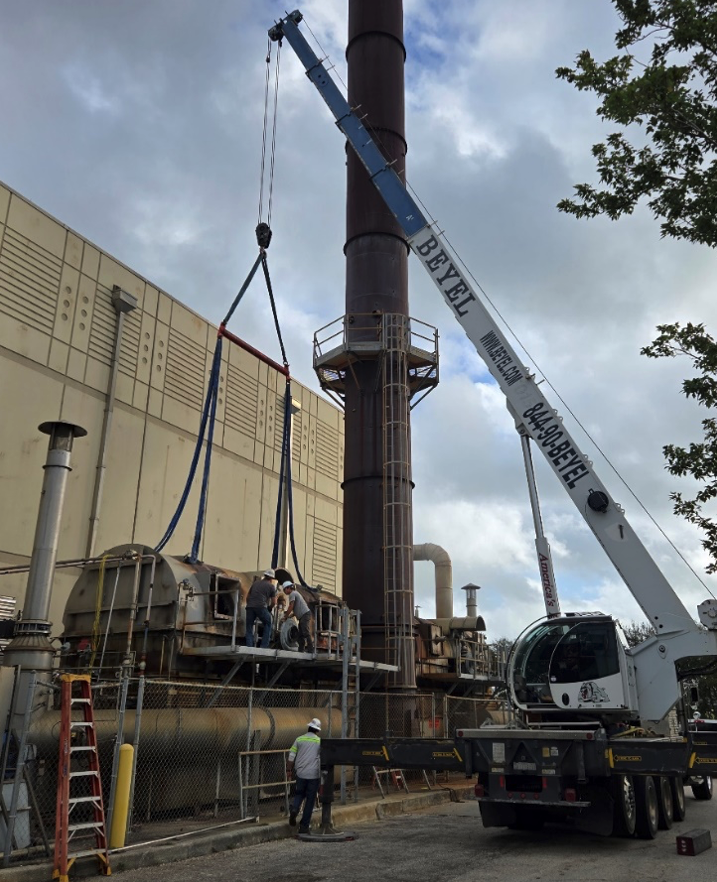
Thermal Oxidizers & RTOs
The Only Unit That Can Pay for Itself
Regenerative thermal oxidizers recycle their own heat. Thermal efficiency of 85% to 97%, and roughly one eighth the fuel cost of a direct-fired oxidizer. We build them, retrofit them, and keep them running.
A thermal oxidizer is a pollution control device that destroys volatile organic compounds by oxidizing them at high temperature into carbon dioxide and water vapor. A regenerative thermal oxidizer adds ceramic heat recovery beds, reaching 85 to 97 percent thermal efficiency.
Where Each One Wins
| Type | Efficiency | Fuel Use | Best For |
|---|---|---|---|
| Flare | Moderate | Medium | Emergency/intermittent release |
| Thermal Oxidizer | High | High | Medium to high VOC, variable flow |
| RTO | Very High | Low | Low VOC, steady flow |
Flare
- Efficiency
- Moderate
- Fuel Use
- Medium
- Best For
- Emergency/intermittent release
Thermal Oxidizer
- Efficiency
- High
- Fuel Use
- High
- Best For
- Medium to high VOC, variable flow
RTO
- Efficiency
- Very High
- Fuel Use
- Low
- Best For
- Low VOC, steady flow
In an oil and gas context, flares are open combustion with lower efficiency and visible flame. Thermal oxidizers are enclosed, controlled, and higher DRE, but with high fuel cost. RTOs are enclosed, controlled, and significantly lower fuel cost, and are usually the answer when emissions regulations get strict.
Note: The only unit that has the potential to pay for itself is the RTO
How a Thermal Oxidizer Works
- 1
Gas inlet
Waste gas enters the unit
- 2
Air mixing
Combustion air is introduced (natural draft or forced air)
- 3
Ignition
Pilot or electronic ignition starts combustion
- 4
Combustion chamber
Gas burns at high temperatures (typically 1,400 to 1,800°F)
- 5
Exhaust
Cleaned flue gas exits through a stack
How an RTO Works
- 1
Contaminated Air Enters
Process exhaust (from painting, coating, chemical production, etc.) is drawn into the RTO. It first passes through a ceramic bed that has been preheated, raising the air temperature before combustion.
- 2
Oxidation
The air reaches the combustion chamber, where a burner raises it to oxidation temperature. VOCs are converted into carbon dioxide and water vapor.
- 3
Heat Recovery
The clean, hot air exits through a second ceramic bed, transferring heat into the media and storing it for the next cycle.
- 4
Valve Switching
Flow direction reverses every 1 to 2 minutes, making heat regeneration continuous.
Thermal Oxidizer Advantages
Low emissions, reduced VOCs, HAPs, and methane
Regulatory compliance, meets EPA and state rules (e.g., Texas TCEQ)
Reduced odor & noise
Safer than open flaring in some applications
RTO Advantages
Very fuel-efficient
High destruction rates
Long-term operating cost savings
(approximately 1/8 fuel cost of a TO)
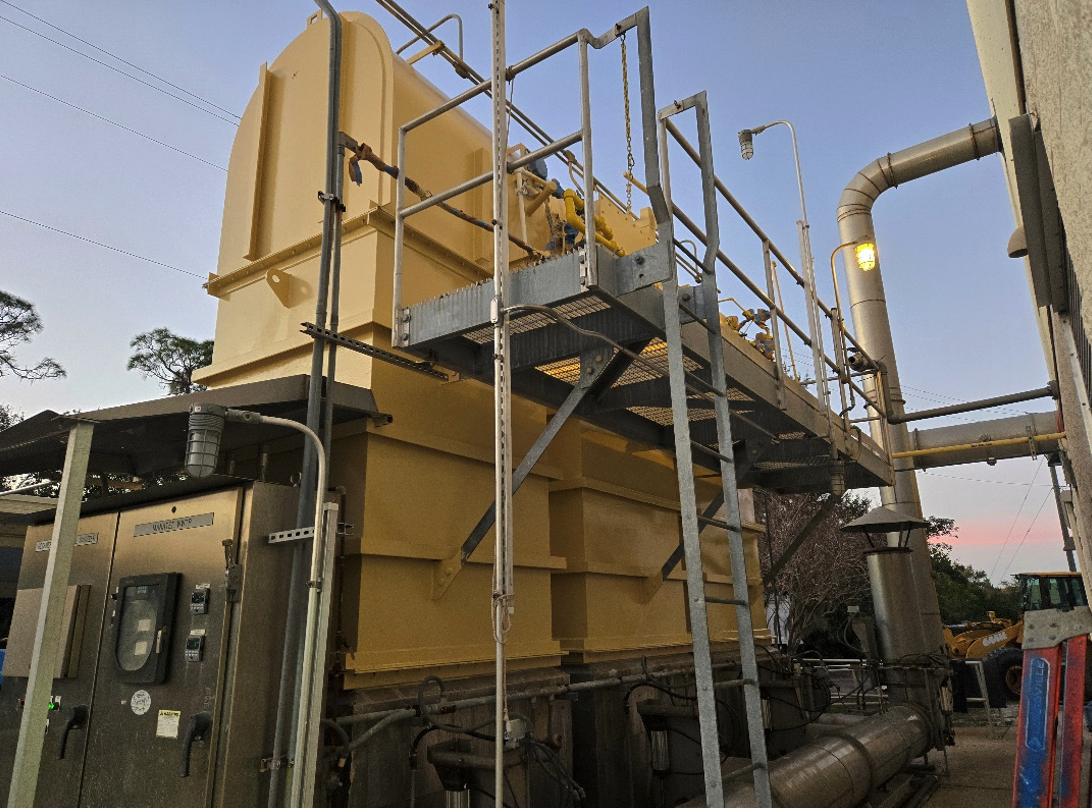
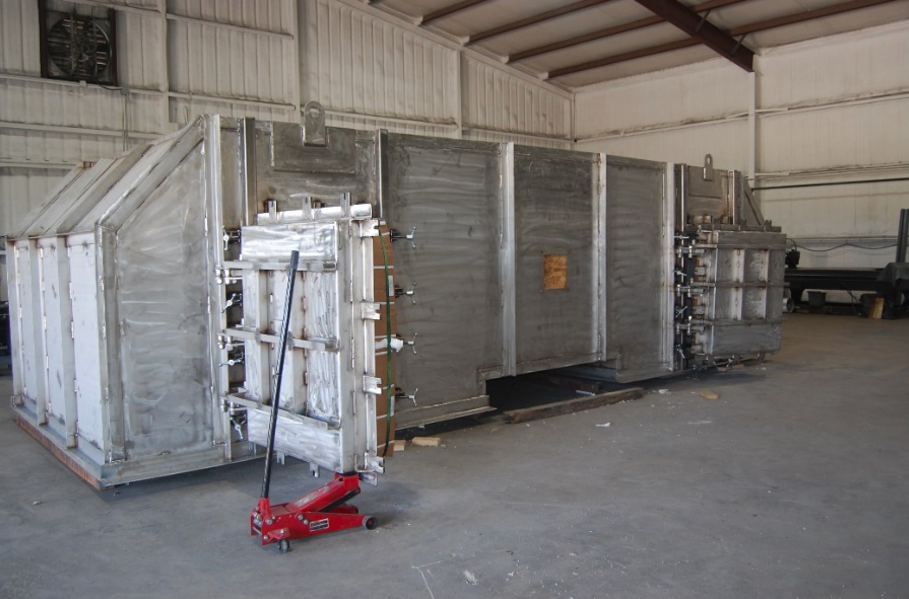
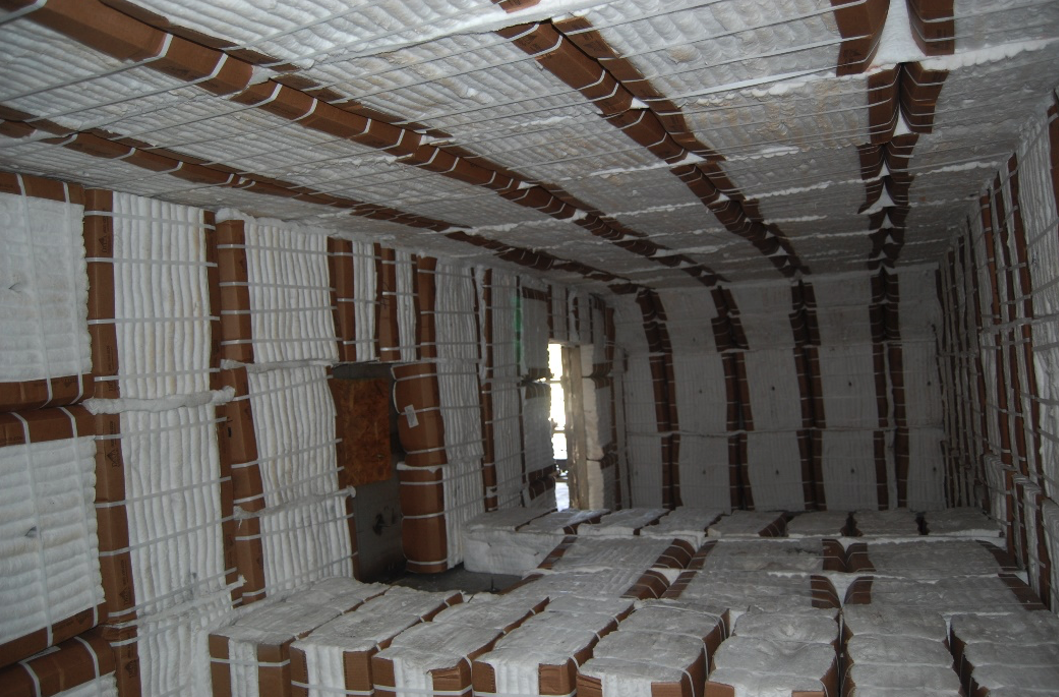
RTOs in the Field
Specifications & Tradeoffs
Higher capital cost. Not ideal for high VOC concentrations, or streams with particulates, silicones, or acids, which can foul media.
Requires valve maintenance. Requires ceramic media change-outs.
We handle media changeouts, refractory relining and flue gas tuning as part of our service work.
99.9%+
Destruction Efficiency
85 to 97%
Thermal Efficiency
~1/8
Fuel Cost vs Direct-Fired
Industries
Oil & Gas
(Wastewater treatment, low BTU odor control)
Chemical & petrochemical plants
Coal Bed Methane reduction
Paint booths & coating lines
Printing & packaging
Pharmaceuticals
Food processing
Frequently Asked Questions
How does a regenerative thermal oxidizer work?
Contaminated process air passes through a preheated ceramic bed, which raises its temperature before it reaches the burner. The air is oxidized in the combustion chamber, converting VOCs to carbon dioxide and water vapor. Clean hot air then exits through a second ceramic bed that stores the heat. Flow reverses every one to two minutes, making heat recovery continuous.
How efficient is an RTO?
A regenerative thermal oxidizer achieves 85% to 97% thermal efficiency and destruction efficiency up to 99.9% and above. Fuel consumption is roughly one eighth that of a direct-fired thermal oxidizer.
When is an RTO a bad choice?
An RTO is a poor fit for high VOC concentrations and for streams carrying particulates, silicones, or acids, which foul the ceramic media. Its high capital cost must also be justified before fuel savings can repay it.
What maintenance does an RTO require?
Valve maintenance and periodic ceramic media changeouts. Refractory relining and flue gas tuning are also common.
What is the difference between a thermal oxidizer and an RTO?
A direct-fired thermal oxidizer burns fuel continuously to hold the chamber at temperature. A regenerative thermal oxidizer stores exhaust heat in ceramic beds and reuses it to preheat incoming air, cutting fuel use to roughly one eighth of a direct-fired unit.
Can an existing RTO be retrofitted instead of replaced?
Often, yes. Burner upgrades, valve rebuilds, ceramic media replacement, refractory relining, and controls modernization can restore performance on an existing unit at a fraction of replacement cost.
Already Have an RTO?
We do media changeouts, refractory relining, valve train replacement, and flue gas tuning, including on units we didn't build.