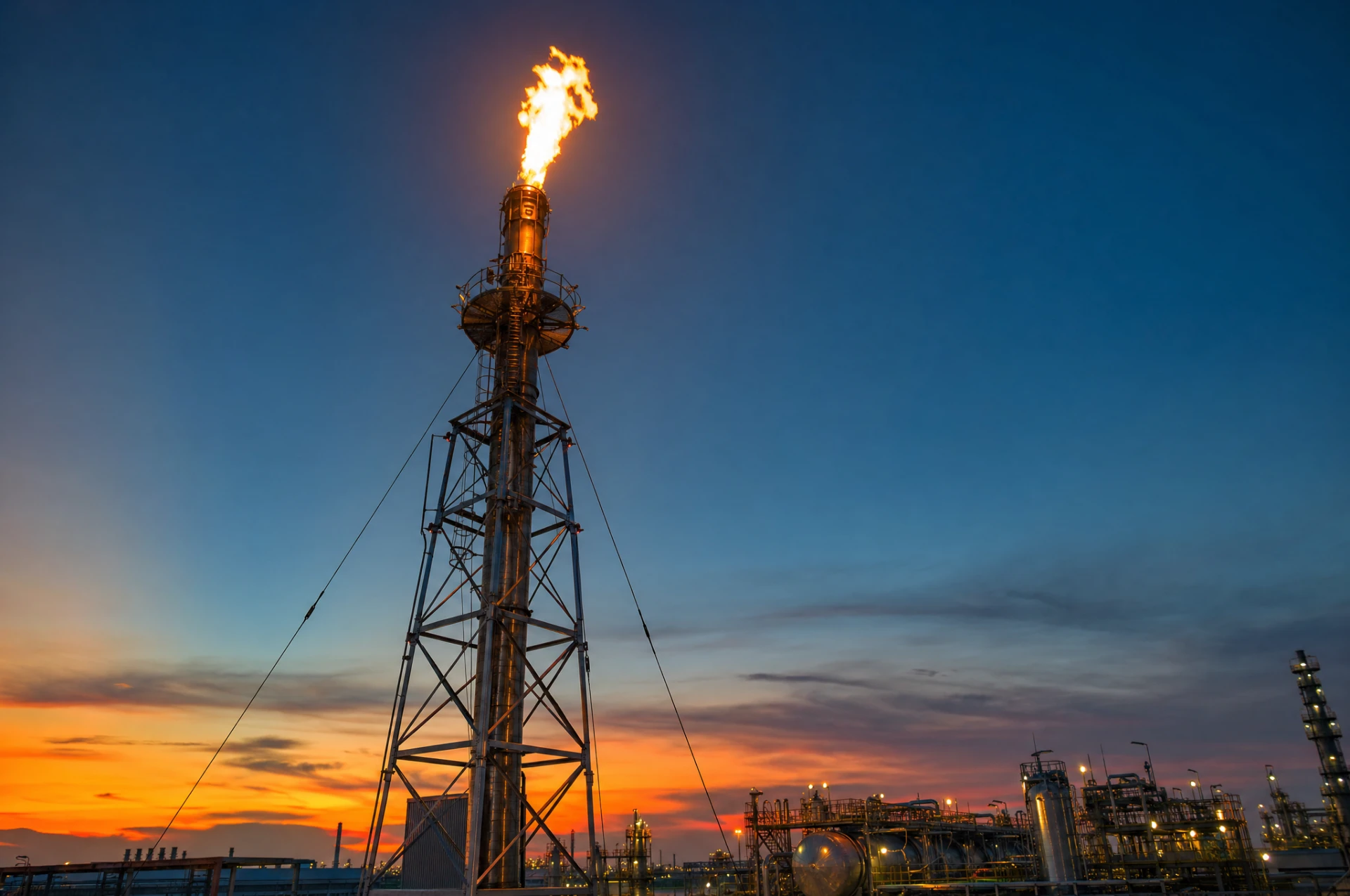
Custom Flares
Utility, air-assisted, gas-assisted, pressure-assist, and non-assist flares built around our MSDB flare tip.

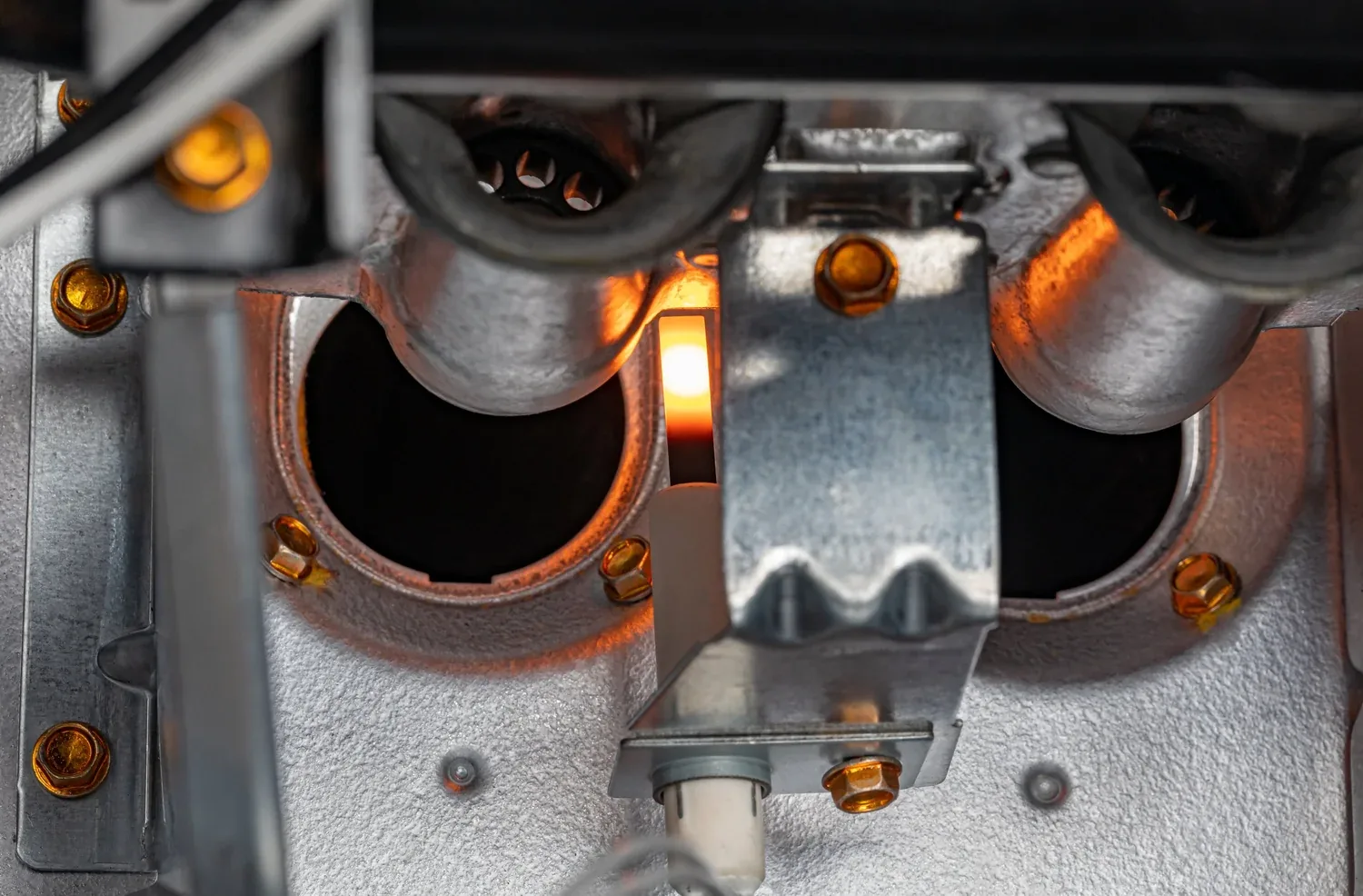
The answer usually comes down to four numbers: your flow rate, your heating value, how strict your permit is, and whether anyone can see the flame. Here's how the equipment lines up against those.
| Equipment | Best For | Destruction Efficiency | Fuel Use | Visible Flame |
|---|---|---|---|---|
| Utility & assisted flares | Emergency and intermittent release | Good | Medium | Yes |
| Enclosed combustors | Tank vapors, VRU backup, intermittent streams | 95+% | Medium | No |
| Direct-fired thermal oxidizer | Medium to high VOC, variable flow | >99.9% | High | No |
| Regenerative thermal oxidizer | Low VOC, steady flow | Up to 99.9%+ | Low | No |
The RTO is the only unit on this list with the potential to pay for itself. Thermal efficiency runs 85% to 97%, and fuel consumption lands around one eighth that of a direct-fired oxidizer. The tradeoff is higher capital cost and ceramic media that has to be changed out.
Utility, air-assisted, gas-assisted, pressure-assist, and non-assist flares built around our MSDB flare tip.
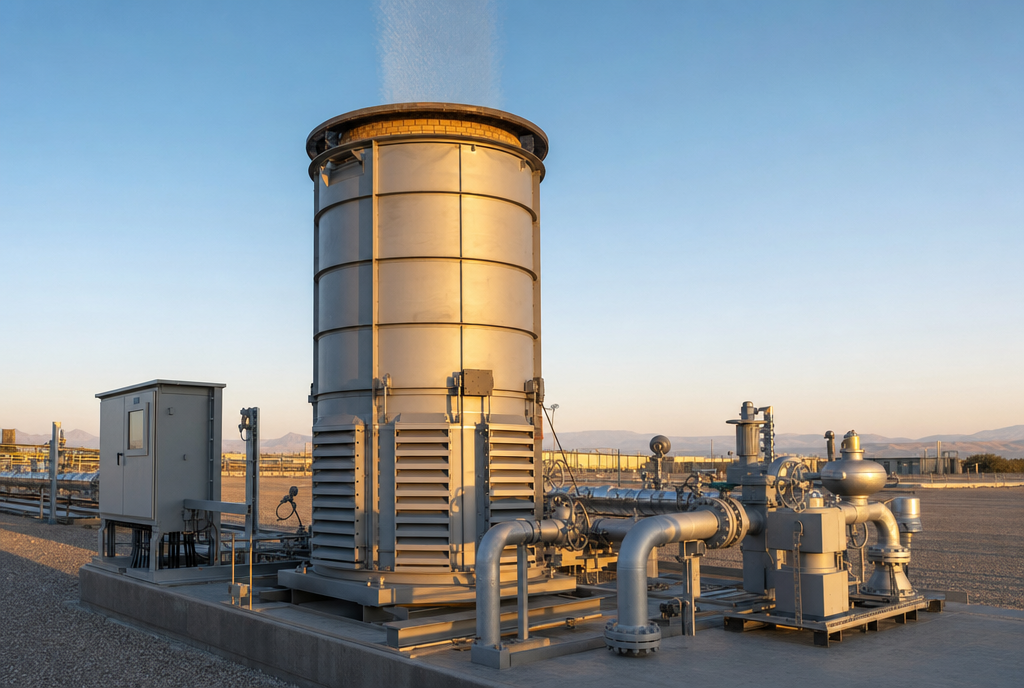
PyroNXT-ECD and PyroNXT-DVC units. Greater than 99% DRE with no visible flame, low NOx, low SOx, and low CO.
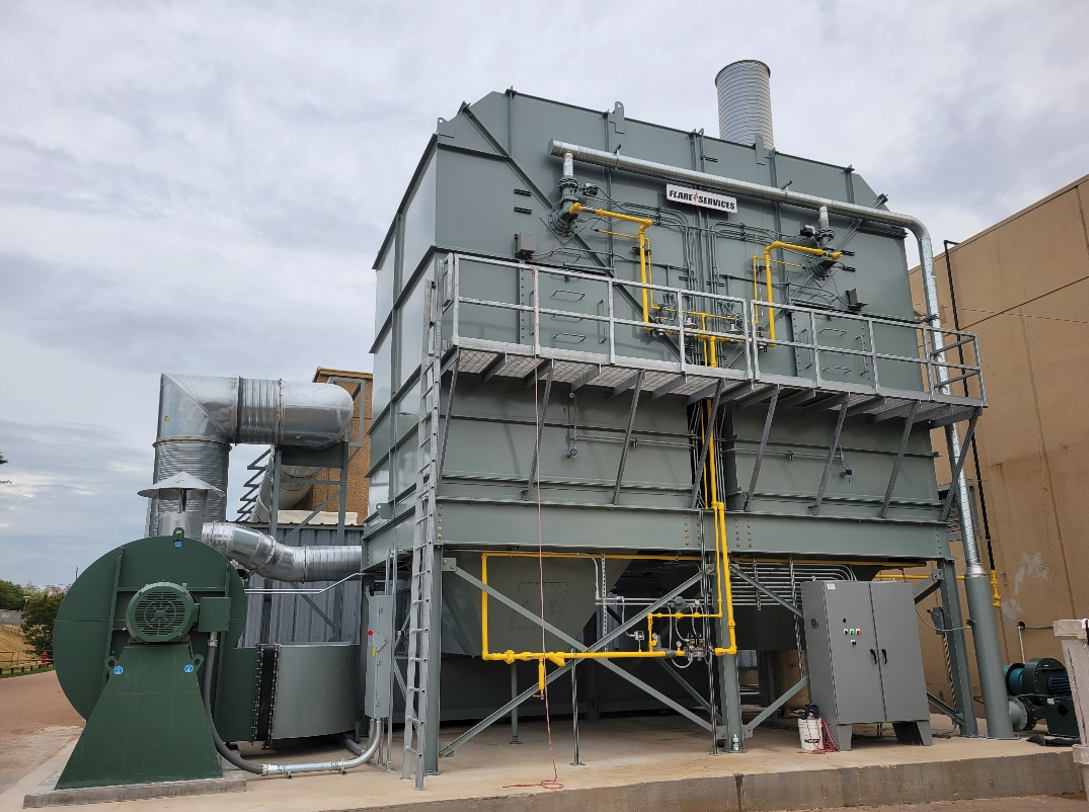
Direct-fired, regenerative, and recuperative systems for strict emissions compliance. The RTO runs at roughly one eighth the fuel cost of a direct-fired oxidizer.
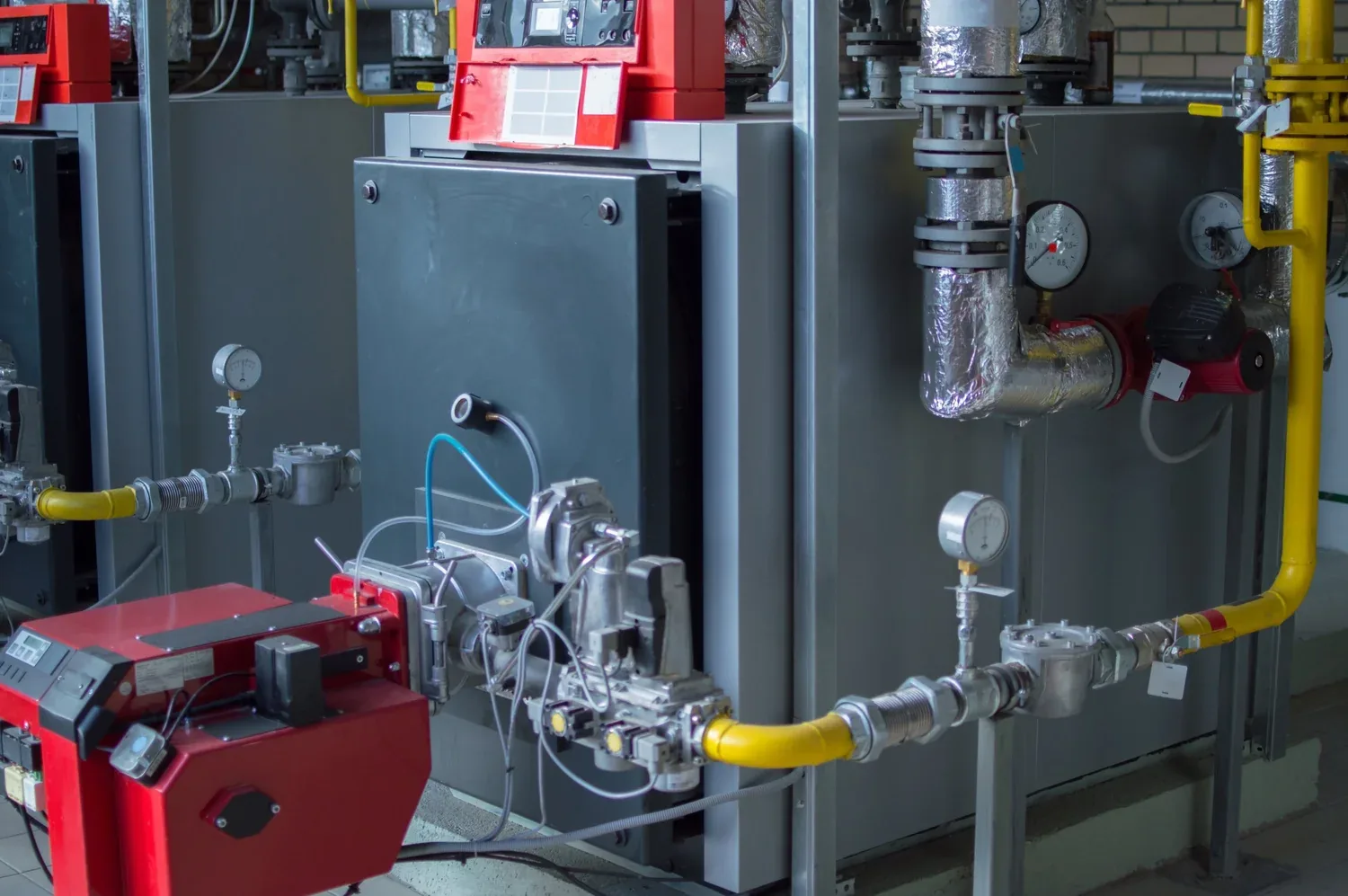
Custom low-NOx burners, process heaters, industrial dryers, and steel mill crucible preheating.
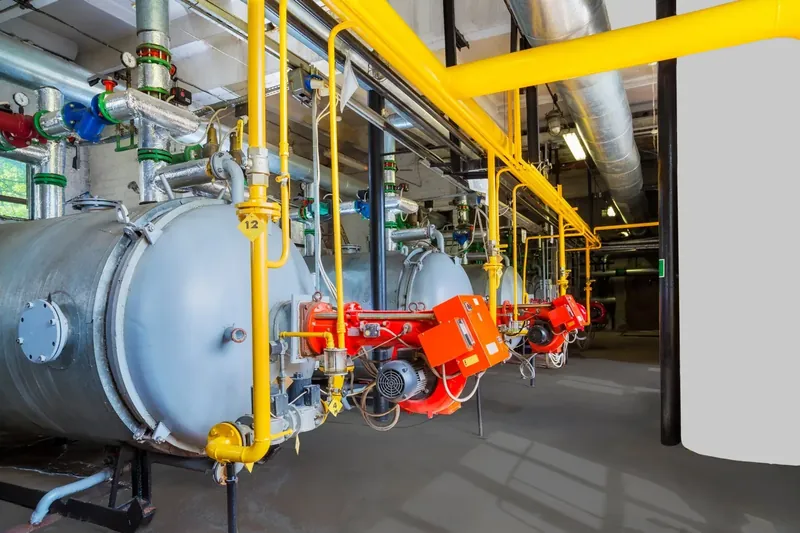
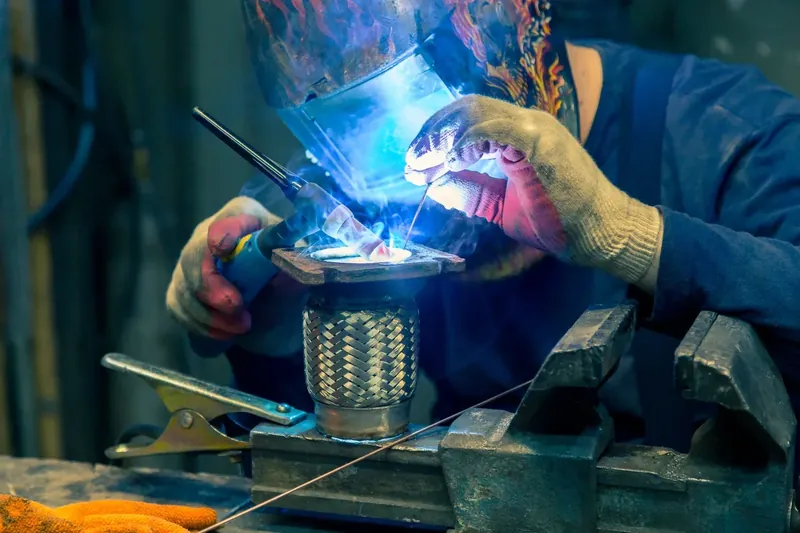
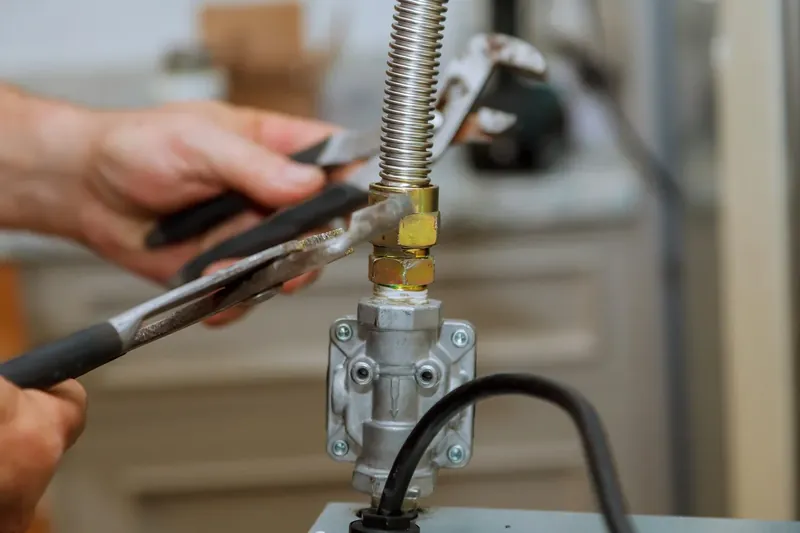
Regulatory compliance, robust construction, and advanced automation. See the three commitments in detail.
Send us your stream data. We'll tell you what we'd put on it, including when the answer is the cheaper unit.